Shade cloth for plants that cools your greenhouse, protects growth, and keeps light where it matters
Greenhouse heat can spike fast on bright days, even when vents are open. The right shade cloth helps you reduce plant stress, prevent scorch, and keep your greenhouse usable through peak sun without turning it into a dark box.
To choose the right shade cloth, start with your goal, then match shade percentage and fabric type to how you grow. This collection includes Riverstone Industries woven and knitted options, plus Grandio shade netting for growers who want reflective aluminet-style coverage and a finished, reinforced net.
Shade cloths for greenhouses: in order to choose the right one, start with your main goal
I want balanced greenhouse shade for summer growing
Start with a moderate shade percentage, then choose woven or knitted based on how you want to install it.
I want stronger heat relief for intense sun
Step up shade percentage or choose reflective shade netting when you need heat reduction but still want the greenhouse to feel bright.
I want shade fabric for seedlings and sensitive plants
Choose a shade percentage that reduces stress during the hottest hours, then fine-tune with placement and airflow.
I want privacy screening on sidewalls, fences, or property lines
Choose privacy cloth. It’s built for screening and heavy block, and it should be selected separately from roof shading.
I want the simplest “pick size and install” option
Choose a shade cloth system or a finished shade net with reinforced edges and grommets so installation is straightforward.
Shade cloth for plants: choose your shade percentage first
Shade percentage is the biggest decision because it determines how much sun is filtered before it hits your crop.
A simple rule:
- If you mainly want to take the edge off, start lighter.
- If you’re fighting hard heat and midday stress, go stronger or consider reflective netting.
- If you go too high, you may reduce heat but slow growth because light becomes the limiter.
Quick starting points for greenhouse shade
-
30%: Light shade that keeps the greenhouse bright.
-
47%: Noticeable relief while still keeping strong daylight.
-
50%: Common “balanced” greenhouse shade for summer protection.
-
63%: Stronger relief for hotter conditions (often used as a more aggressive interior shade strategy on some greenhouse-specific systems).
-
88%: Heavy block for privacy screening and side use more than roof shading.
Knitted shade cloth vs woven shade cloth: pick the fabric that matches how you want to install it
Knitted shade cloth
What it is: flexible shade fabric that’s easy to handle and works well for many greenhouse installs.
Best for: growers who want an easier install and a cloth that conforms well to frames and varied shapes.
Woven shade cloth
What it is: structured shade fabric designed for a taut, stable setup.
Best for: growers who want a cleaner, tighter install across long spans, roofs, or fixed structures.
Reflective shade netting (aluminet-style)
What it is: reflective shade netting designed to reduce intense heat while still allowing significant light through.
Best for: hot climates and high sun exposure when you want cooling without making the greenhouse feel dim.
Riverstone shade cloth systems: woven and knitted shade cloths for sale in greenhouse-ready options
Riverstone Industries is the main range here because it covers the widest variety of greenhouse shade needs: woven shade cloth systems, knitted shade cloth, and privacy cloth.
Woven shade cloth
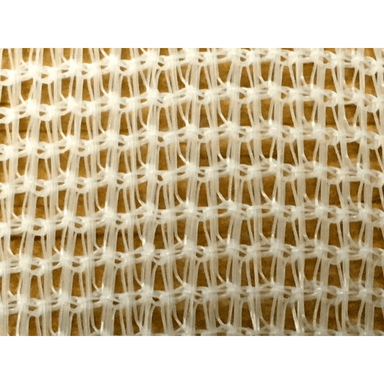
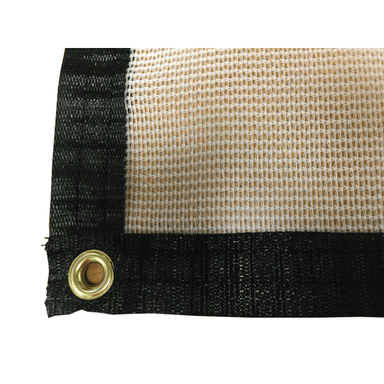
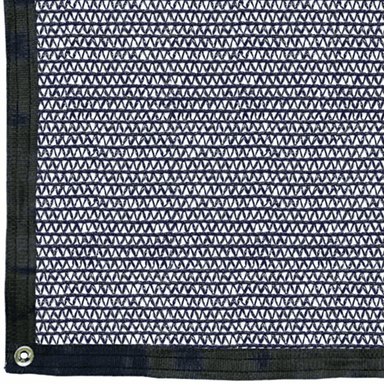
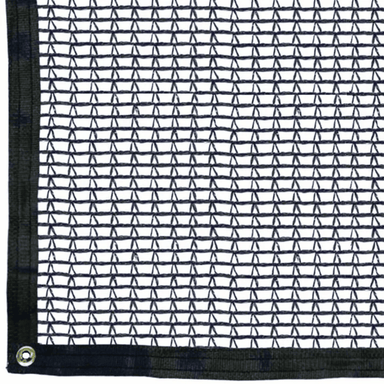
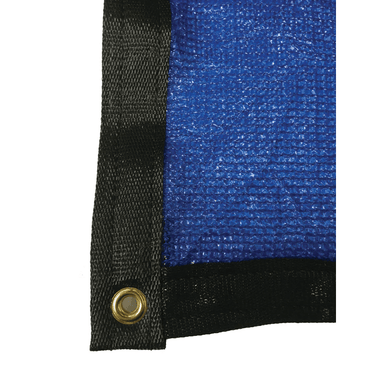
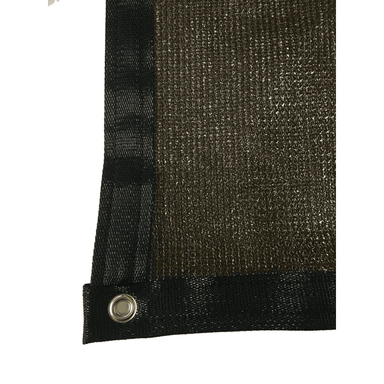
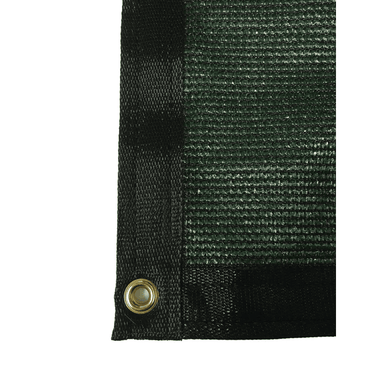
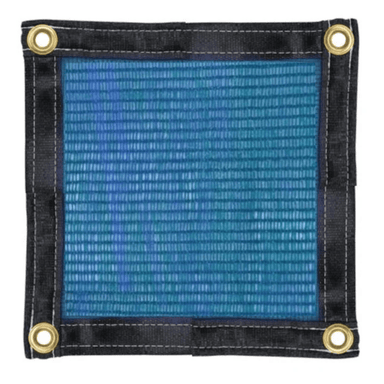
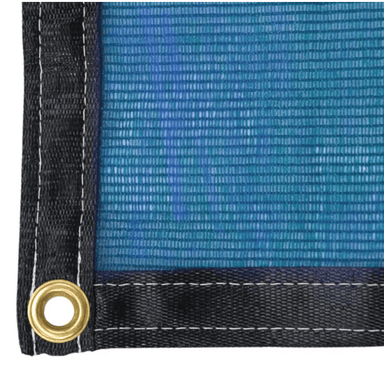
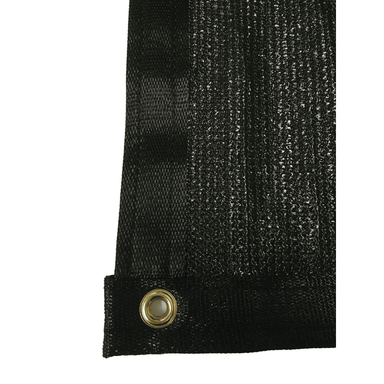
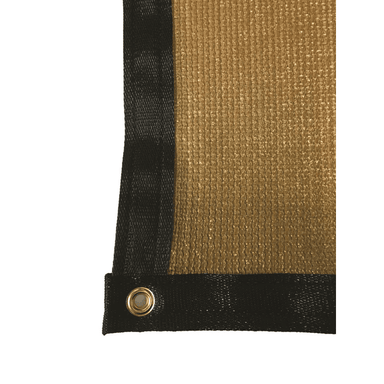
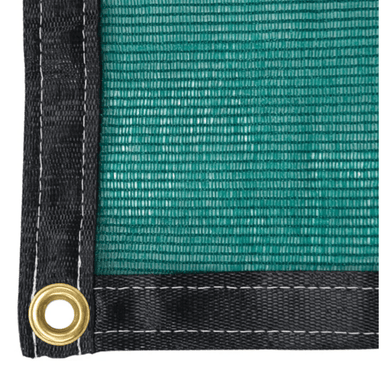
Use these when you want a stable, tensioned setup and a straightforward “choose your shade percentage and size” approach. We’ve included close-up images below so you can see the weave and finish, and you can review the product grid above to compare all available sizes.
Available shade percentages: 30%, 47%, 55%, 63%, 80%. Check the product grid above for all available shade options.
Knitted shade cloth
Use these when you want a flexible cloth that’s easy to handle and works well for general greenhouse shading.
Privacy cloth
Use this for screening and privacy where heavy blocking matters more than maximizing plant light.
Shade netting: reflective shade covers for greenhouses (Grandio and universal use)
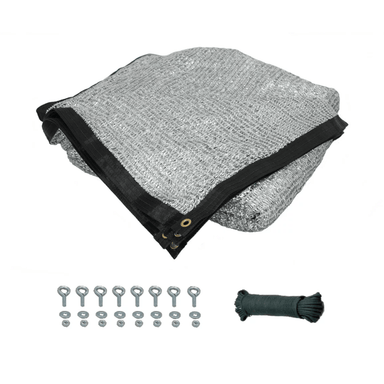
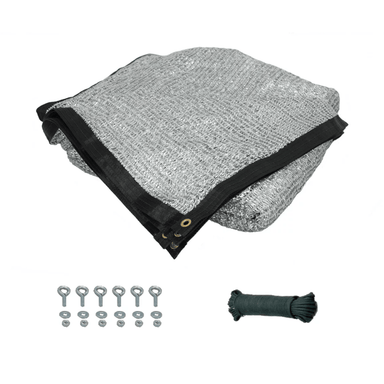
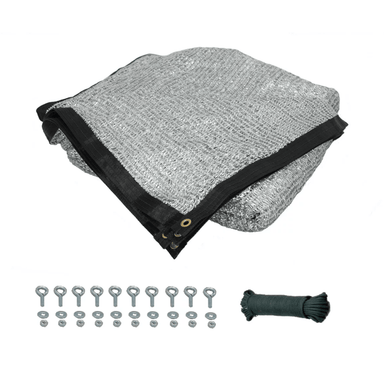
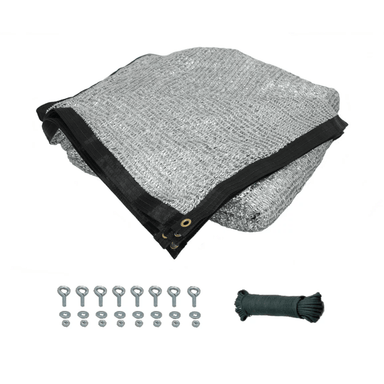
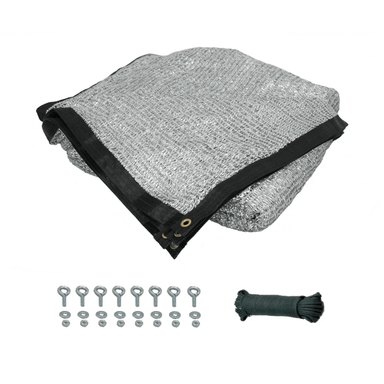
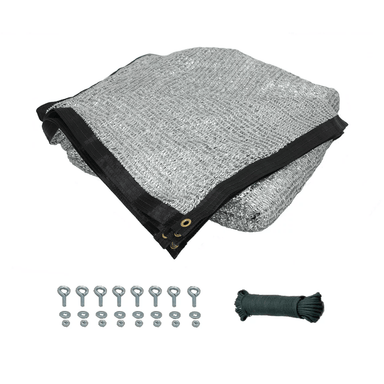
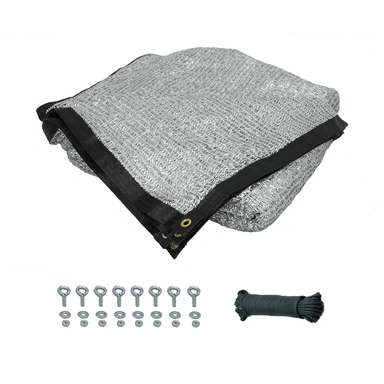
Grandio shade nets are a strong choice when you want reflective heat relief and a finished net with reinforced edges and grommets. Many Grandio nets are sized to specific greenhouse models, and some can also work as a universal option when the dimensions match your structure and coverage goal.
Grandio model fit shade nets
Best for: Grandio greenhouse owners who want an easier fit, cleaner coverage, and vent-aware design.
Grandio shade nets as universal options
Best for: growers who want aluminet-style reflective shade and prefer a finished net over cut-to-size fabric.
Key decision: confirm your structure dimensions and decide whether you want roof-only coverage or roof + partial side coverage before selecting a net size.
Available sizes: 6'×8', 6'×12', 8'×8', 8'×12', 8'×16', 8'×20', 8'×24'.
Check the product grid above to review the full range and details.
Installation basics: shade screen for greenhouse use without headaches
Outside installs are common for heat reduction because you reduce solar load before it hits the glazing.
Keep ventilation working
Plan around vents and doors. If your greenhouse relies on roof vents, make sure your shade solution does not block operation.
Secure evenly, do not over-tension
Use consistent attachment points to reduce flapping and edge stress, especially in wind.
Shade cloth accessories: simple add-ons that make Riverstone installs cleaner

RSI Bungee Balls
Best for: fast attachment through grommets when you want an adjustable edge and easy removal.
Why it matters: a simple way to secure shade cloth quickly while keeping tension even along edges.

RSI Flat Rope for Shade Cloth (250 FT)
Best for: lacing shade cloth through grommets for a tidy, tensioned install across longer runs.
Why it matters: helps distribute load evenly and keeps installs clean on larger shade cloth setups.

MONT Internal Shade Cloth
Best for: greenhouse owners who want interior shade control that can open or close, especially when you prefer an inside-the-frame solution.
Why it matters: gives you shade control from inside the greenhouse while keeping your roof area clean and accessible.
FAQs
What is the best shade cloth for greenhouse growing?
Start with your goal. Most growers begin with a balanced shade percentage for summer protection, then choose woven for a taut install or knitted for easier handling.
Should shade cloth go inside or outside a greenhouse?
Outside installation is usually the best starting point for reducing heat because it blocks sun before it hits the panels. Inside installation can still help, especially when you want shade control without covering the exterior.
What is the difference between knitted shade cloth and woven shade cloth?
Woven is a more structured choice for taut installs and long spans. Knitted is a flexible option many growers find easier to handle for general greenhouse shading.
Is 88% privacy cloth good for greenhouse roofs?
Usually it’s best for screening and sidewall privacy. For roof shading, most growers start with lower percentages to keep the greenhouse bright.
Do Grandio shade nets only work for Grandio greenhouses?
Many are sized for Grandio models for easiest fit, and some can work as universal options when the dimensions and coverage match your structure.
How do I install shade cloth with grommets?
Use evenly spaced attachment points, then tension the cloth so it is secure but not overstressed. RSI’s rope and bungee accessories are designed for fastening through grommets.