RSI Premium Landscape Fabric delivers professional weed control that lets water through and layouts go fast Built for landscapers, nurseries, and s...
View full detailsA greenhouse floor is not about looking fancy. It’s about keeping your space workable when you’re watering daily, moving plants around, and stepping in and out with wet shoes. The right setup reduces mud and weeds, improves footing, and helps water move through instead of pooling.
We designed this collection to make it easy to choose the right greenhouse flooring based on how you grow. Start with a foundation layer if weeds and mess are the main issue, then add a drain-through surface where you walk and work most.
Start with your current base surface, then choose whether you need a base layer (weed control) or a surface layer (stable footing).
1) What’s under your feet right now?
2) What do you want your greenhouse floor to fix first?
If you want one simple recommendation, it’s this:
Below are the three products in this collection, organized by what they do best.
This is your “foundation layer” when you want fewer weeds, cleaner rows, and a floor that still drains.
RSI Commercial Landscape Fabric
Best for: weed control and cleaner greenhouse walkways under benches and along sidewalls.
Why it matters: it blocks light to slow weed growth while staying water-permeable, so you can water normally without creating a soggy mess. The printed spacing lines also help keep rows straight and your layout organized. It’s commercial-grade woven polypropylene with 12-inch pot lines for straight, consistent spacing.
Installation note: pin the edges and seams so it stays flat and doesn’t shift under foot traffic.
If your greenhouse feels messy or uncomfortable to walk in, flooring tiles are the fastest “quality of life” upgrade. Both options here are drain-through, but they solve slightly different problems.
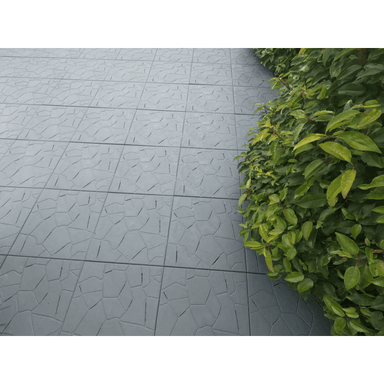
Best for: a stable, clean-looking greenhouse floor covering that snaps together fast.
Why it matters: ideal when your goal is “make my greenhouse feel finished” without a complicated install. This is a strong choice for a center aisle, potting zone, or any area where you want firmer footing.
Install note: best results come from placing tiles on a reasonably level surface, especially on soil or gravel.
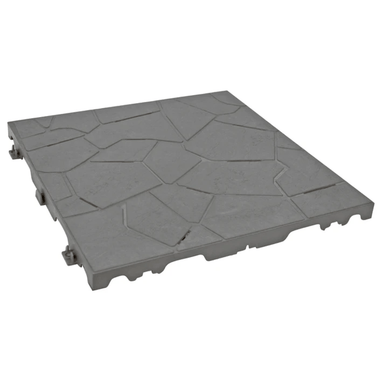
RSI Interlocking Floor System (22" × 22")
Best for: wet greenhouse zones where traction and flow-through drainage matter most.
Why it matters: when your floor stays damp from frequent watering, this style is the better fit because it’s built around moving water through and keeping footing more secure. Its flow-through design helps reduce puddles in high-watering areas and keeps walk zones more usable.
Install note: works best when you start with the main walkway first, then expand into work zones.
What is the best floor for a greenhouse if I water daily?
Start with drainage and footing. Use flooring fabric for weed control and cleaner rows, then add flooring tiles in the areas that stay wet or get the most foot traffic.
Can greenhouse flooring tiles go over soil or gravel?
Yes, but you’ll get the best result if the surface is reasonably level. Over gravel, tiles can help stabilize the walking area. Over soil, consider starting with fabric for weed control first.
Do interlocking greenhouse floors help with drainage?
Yes. Both tile options are designed as drain-through surfaces so water doesn’t sit on top the way it can on solid flooring.
What’s the simplest way to stop weeds on a greenhouse floor?
Use greenhouse flooring fabric as your base layer, secured along edges and seams.
Should I use flooring fabric under tiles?
If weeds are part of your problem, yes. Fabric underneath helps keep the floor cleaner and reduces regrowth under your walking zones. If you’re building over soil or gravel, fabric under tiles helps keep the area cleaner and reduces weeds pushing up over time.
What is a good greenhouse floor covering setup if I want it to feel finished?
Start with flooring fabric across the greenhouse for weed control, then use tiles only where you walk and stand the most, like a center aisle and workstation areas.
Are greenhouse flooring mats better than tiles?
Many people search for greenhouse flooring mats when they want safer footing in wet areas. A drain-through tile system handles that need well because it improves traction and keeps water moving instead of sitting on top.
How do I keep the floor from getting slippery?
Choose a drain-through surface where you walk and stand most, and avoid leaving puddles sitting on solid surfaces.
What’s the easiest “good” setup for a hobby greenhouse?
Flooring fabric across the greenhouse for weed control, then tiles only in the center aisle and workstation areas.